
National Prevention Strategies
-
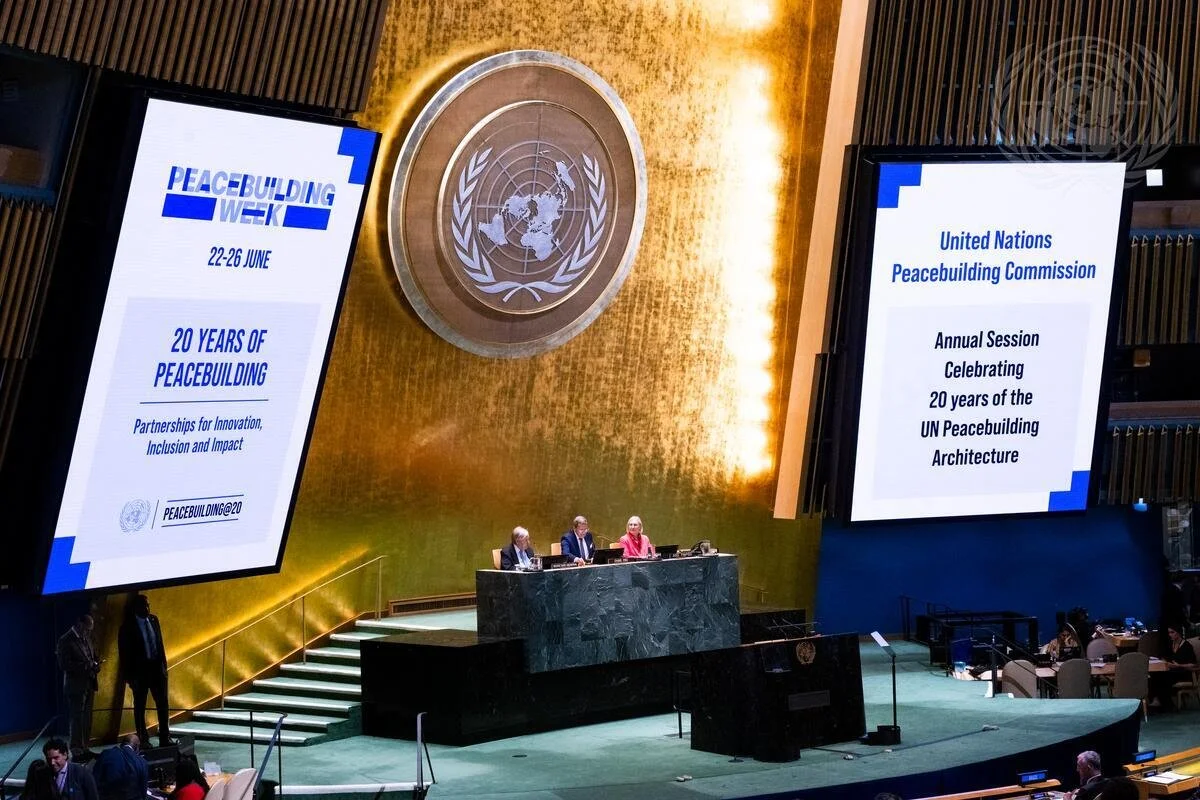
What Can the Peacebuilding Commission Do to Support National Prevention Strategies?
By Céline Monnier, Sophie Rutenbar, Betty N. Wainaina, Marta Bautista Forcada, and Natalie Briggs (November 2024)
Over the past few years, national prevention strategies (NPS) have risen on the United Nations (UN) political agenda.
The UN Secretary-General António Guterres advocated for their universal adoption in his New Agenda for Peace, while member states, through the Pact for the Future, pledged to develop them. In parallel, member states have shown an increased interest in using the Peacebuilding Commission (PBC)to discuss NPS.
This report explores how the PBC can provide effective support to member states on NPS in four areas:
Fostering buy-in for prevention.
Exchanging good practices.
Coordinating support.
Financing.
After considering these four avenues for supporting NPS through the PBC, the report then considers transversal challenges. The first one is the impact of universality. The second transversal challenge is the issue of continuity, as developing an NPS is a complex and long-term endeavor that may require sustained support.
This report is based on close to sixty interviews with members of the Peacebuilding Commission, the UN Peacebuilding Support Office, the World Bank, Regional Development Banks, UN Department of Economic and Social Affairs (UN DESA), UN Development Coordination Office (DCO), UN Development Programme (UNDP), and civil society organizations.
UN Photo/Eskinder Debebe
-
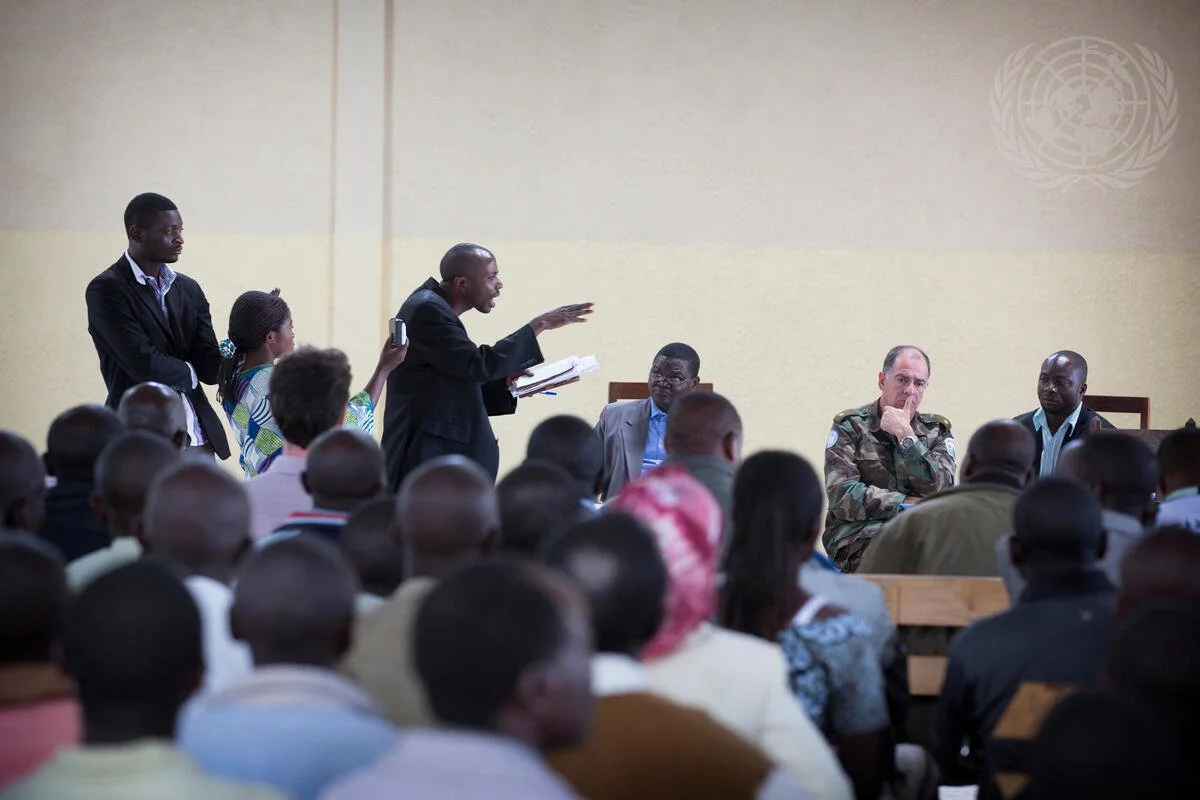
Building on What Exists: Demystifying National Prevention Strategies
By Céline Monnier and Vincenza Scherrer (October 2024)
In July 2023, United Nations (UN) Secretary-General António Guterres called for the development of national prevention strategies in his New Agenda for Peace (NAfP)—a call now reflected in the Pact for the Future adopted just last month. These strategies are an opportunity to make concrete progress on the UN prevention agenda.
However, there are ongoing concerns about what those strategies mean in practice, as member states face fatigue from managing an ever-growing number of national planning frameworks.
This brief seeks to identify pragmatic approaches to bringing national prevention strategies into the fold through a method not burdensome for national actors and international partners by building on what exists. Particularly, it aims at providing concrete examples of how to link existing plans through a system of efforts to prevent violence, rather than start a new national strategy from scratch.
It also illustrates this by exploring opportunities to link security sector governance and reform (SSG/R) to a broader national prevention strategy. The insights gained from this analysis are not limited to SSG/R; they can also inform any other initiative or plan that seeks to address risk and protective factors for violence.
This policy brief is a joint publication with DCAF — Geneva Centre for Security Sector Governance.
UN Photo/Sylvain Liechti
-
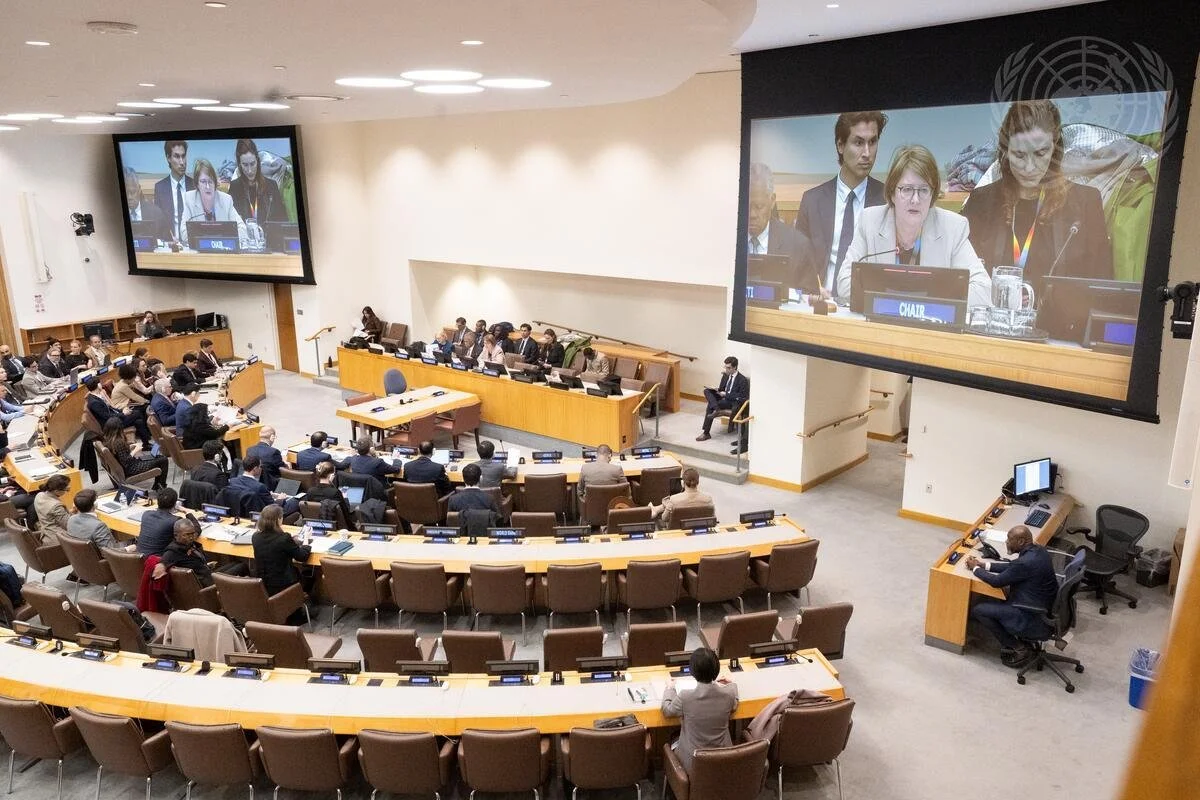
Seven Questions to Consider in Designing, Implementing, and Supporting Effective Nationally Led Violence Prevention Strategies
By Céline Monnier (September 2023)
The New Agenda for Peace (NAfP) calls for a shift to focus more attention on national prevention strategies, with a universal and more upstream approach to preventing all forms of violence.
This is good news. By calling for all member states to create these strategies, the secretary-general is assuaging member states’ fears that prevention may be used to meddle into their internal affairs or that the need for prevention can be stigmatizing. Member states are now in the driver’s seat of this agenda.
The upcoming Summit of the Future is an opportunity to establish a coherent vision for the role and the relevance of the UN in prevention—aligning approaches across different parts of the UN system—and to provide tailored-made packages and expertise for “member states seeking to establish or strengthen national infrastructures for peace,” as promised in the New Agenda for Peace.
As the first in a new series of policy briefs on “Operationalizing the New Agenda for Peace,” this piece is a conversation starter on the conditions to consider in designing, implementing, and supporting effective nationally led violence prevention strategies and it calls on member states to lead on the development of an evidence-based framework for nationally led prevention strategies, and for experts, practitioners, and UN staff to feed into this discussion based on research and past experiences.
This brief is based on research on violence and on violence prevention strategies—particularly crime prevention, prevention of violent extremism, and infrastructures for peace—and interviews of experts and practitioners.
UN Photo/Eskinder Debebe