
Understanding the Underlying Causes of Violence for Smarter Prevention
-
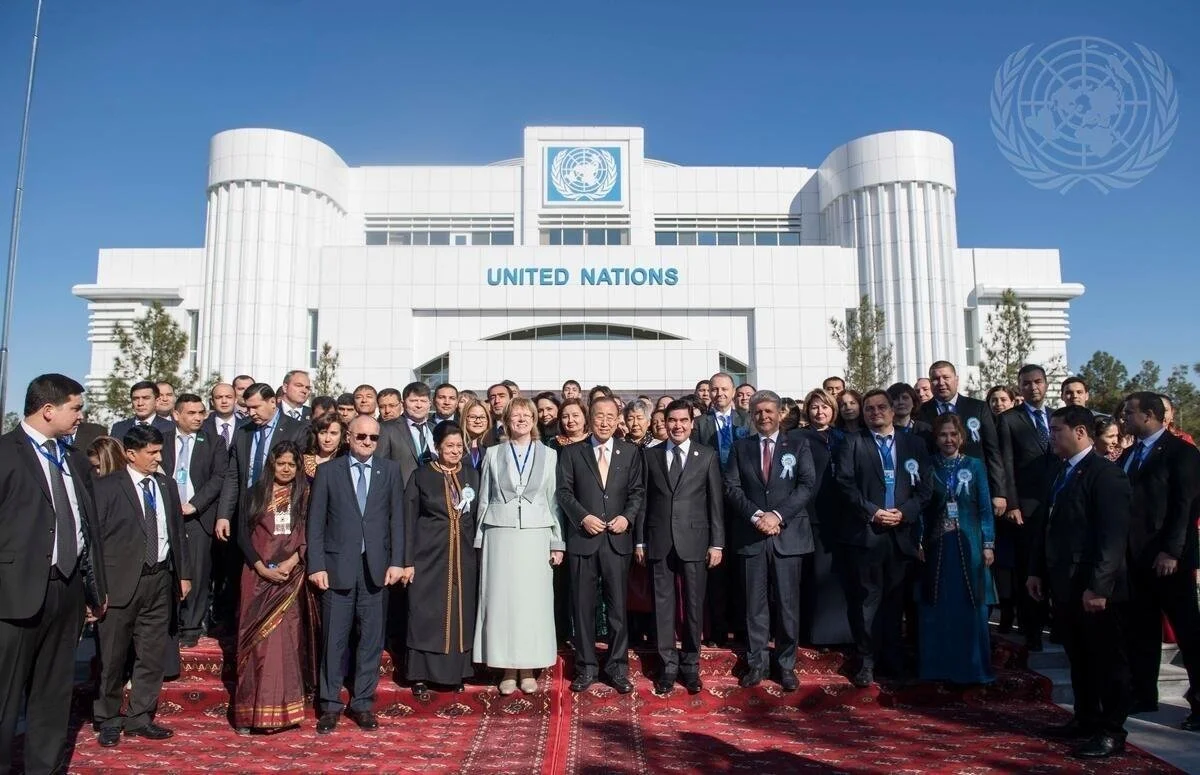
Towards Effective Prevention: A Strategic Approach to Addressing the Underlying Causes of Violence and the UN's Role
By Céline Monnier (March 2025)
Understanding the impact of prevention efforts is a key focus of this year’s Peacebuilding Architecture Review (PBAR). However, measuring this impact has historically been challenging, particularly due to the difficulty of assessing what did not happen (e.g., the outbreak of conflict or violence).
This paper outlines a pioneering approach by developing an analytical tool for practitioners and decision-makers.
The first section examines how measuring changes in risk and protective factors can help national actors assess their vulnerabilities and strengths.
It then explores how member states, through the PBAR, can enhance the United Nations (UN) peacebuilding architecture to better support national and local actors in identifying and addressing these factors. In particular, integrating this risk and protective factors approach into national prevention strategies can be critical in ensuring their effectiveness
UN Photo/Amanda Voisard
-
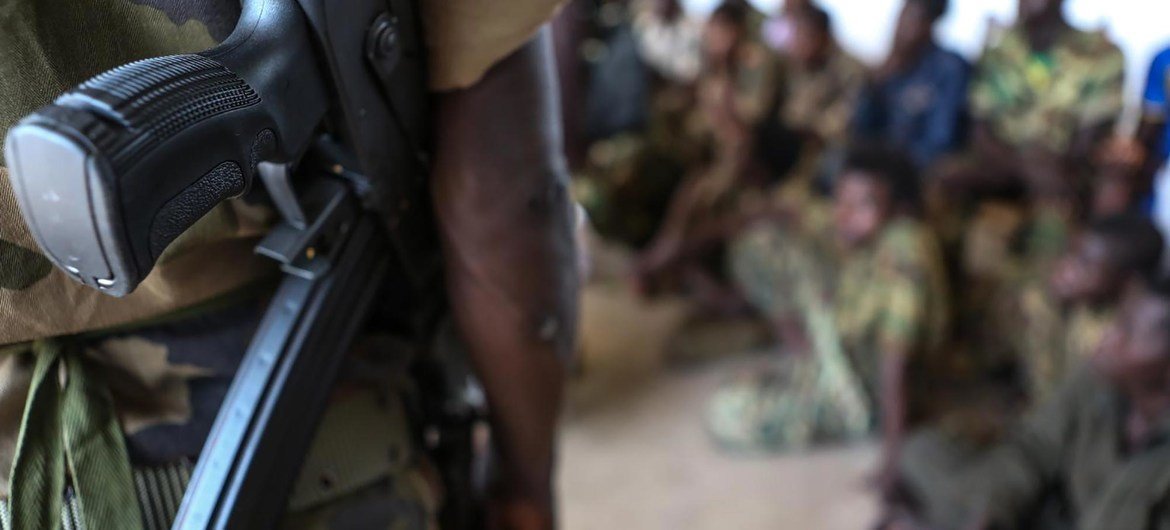
Unusual Suspects: Overlooked Avenues for the Prevention of Recruitment Into Non-State Armed Groups
By Joanne Richards (March 2025)
When discussing why individuals join non-state armed groups, practitioners often refer to factors such as poverty, unemployment, and ideological indoctrination. As a result, many recruitment prevention efforts focus on counter-narratives and job creation. In contrast, this policy brief highlights three factors linked to recruitment that are often overlooked: situational avoidance, defection from non-state armed groups, and sensation seeking. These factors open up creative avenues for the prevention of voluntary and/or forced recruitment, including opportunities for situational prevention, links to the prevention of gender-based violence (GBV), and programs for non-violent sensation seeking.
Practitioners should examine these (and other) overlooked factors and incorporate them into national strategies and action plans. They should also explore links between recruitment prevention efforts and programs that provide support to ex-combatants.
Photo: UNICEF/ Matas
-

Strengthening Violence Prevention at the UN: 11 Overlooked Facts
By Céline Monnier and Joanne Richards (March 2024)
This policy brief argues that UN and member state efforts to prevent violence are often ineffective because why violence occurs is not well understood. The authors highlight the critical role of risk and protective factors in violence prevention work and outline 11 facts that are frequently overlooked when policymakers attempt to stop violence from occurring. To increase the effectiveness of prevention efforts, policymakers should be aware of these critical points and incorporate risk and protective factor analysis into existing UN diagnostic tools and inter-governmental processes.
Photo by Eilis Garvey on Unsplash