
Unpacking Prevention
-
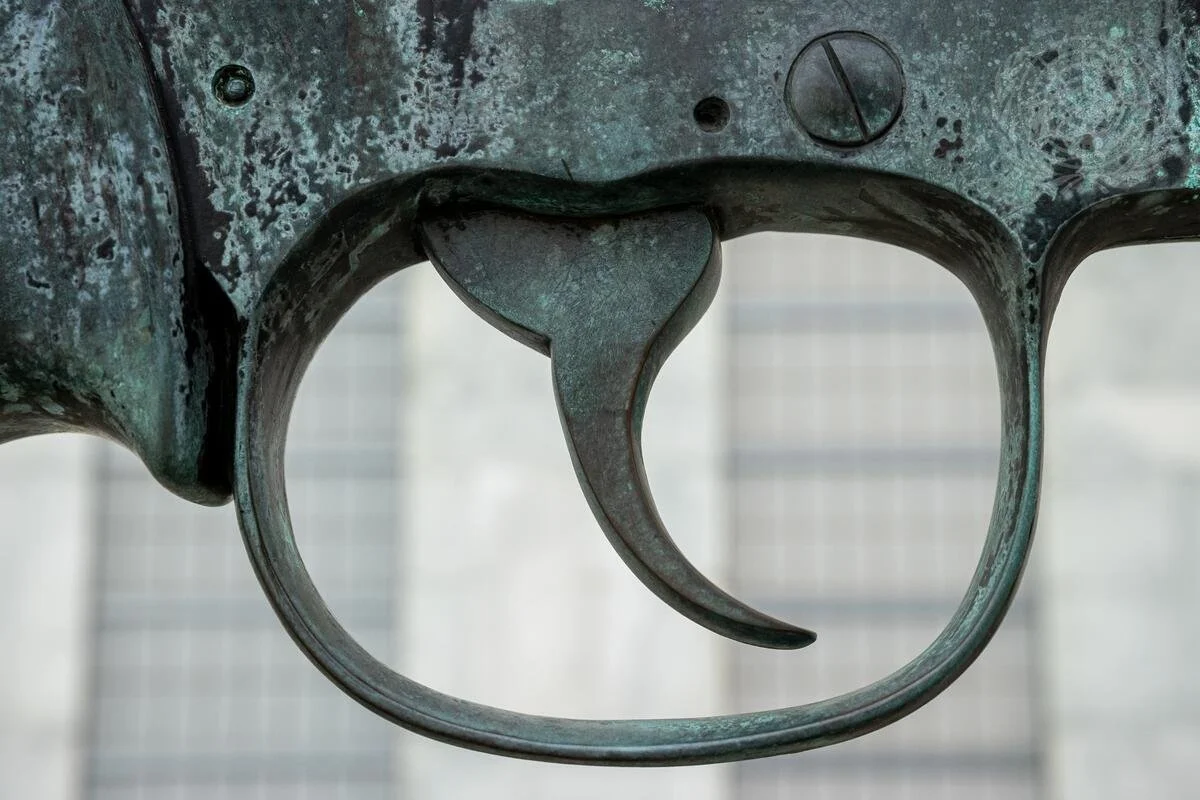
Bridging the Silos: Integrating Strategies across Armed Conflict, Violent Crime, and Violent Extremism to Advance the UN’s Prevention Agenda
By Céline Monnier and Daniel Mack (July 2021)
This policy paper makes the argument that the UN can and should adopt a more integrated violence prevention strategy across these three forms of violence. It draws from desk review of UN and academic documents, interviews with UN staff working on different types of violence prevention across the UN system, and a workshop among them. The paper discusses why there is a need for more integrated prevention approaches across different types of violence, what benefits that would bring, and what challenges need to be overcome first. It concludes by making four recommendations: governments should use the SDG 16.1 framework to bring actors together at national level; member states should ask the UN to develop evidence-based guidelines on prevention for countries to implement themselves; the UN should initiate a strategic dialogue at headquarters between fields to better identify commonalities in approaches; and country teams should develop an integrated strategy with specialized sub-strategies.
UN Photo/Paulo Filgueiras
-
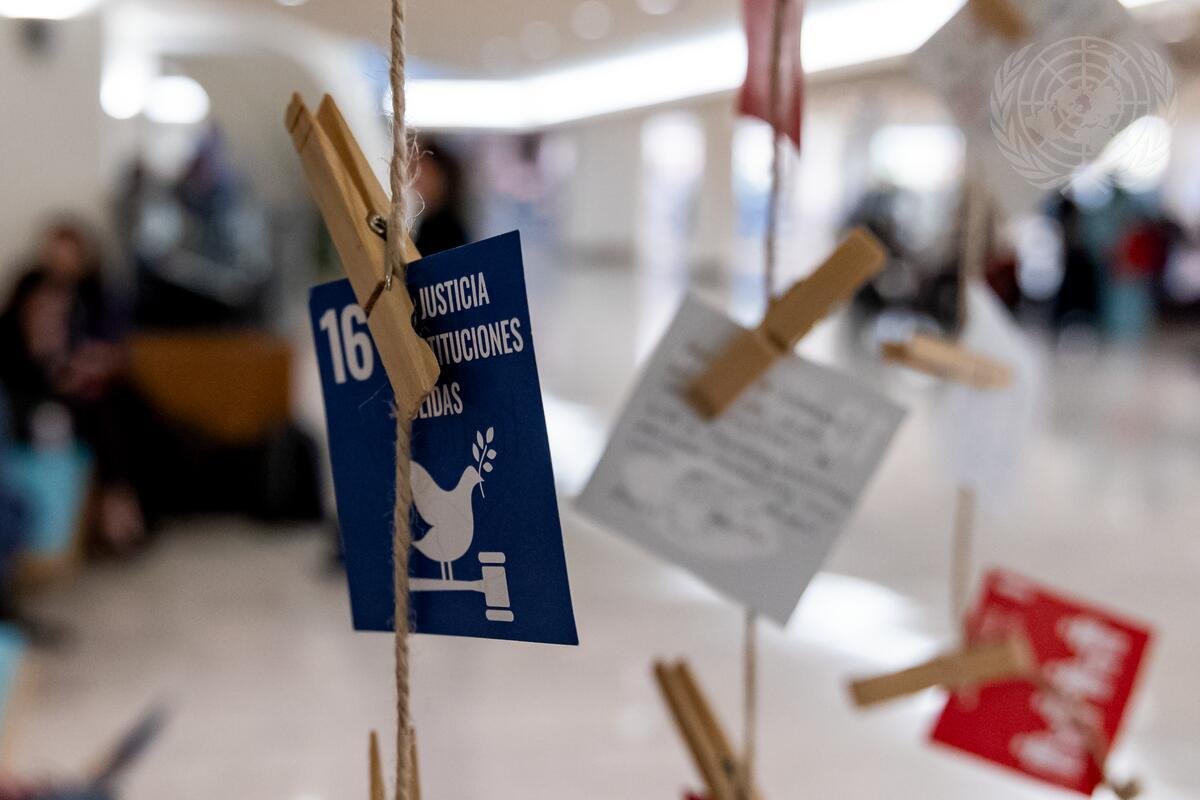
Development and Prevention: National Examples of Linkages
By Paige Arthur and Céline Monnier (August 2019)
Development is an essential tool for conflict prevention, as often root causes are related to lack of equitable access to economic opportunities, or a combination of political and economic inequalities that fuel grievances—as highlighted in the 2011 World Development Report and the 2018 UN–World Bank Pathways for Peace report.
Some risk factors may therefore need to be addressed with development tools. Drawing on field research and on member state reporting at the recent High-level Political Forum in July 2019, this briefing highlights development measures countries have taken to support prevention, and highlights ways the UN system can better assist these efforts.
This paper highlights practical examples of how countries are using development tools for preventive purposes. We draw on field research from Colombia, where there has been a high degree of creative and innovative initiatives to address violence, as well as presentations for the voluntary national reviews on SDG16 at the High-level Political Forum on Sustainable Development (HLPF). We conclude by drawing lessons for the UN system.
UN photo/Laura Jarriel -
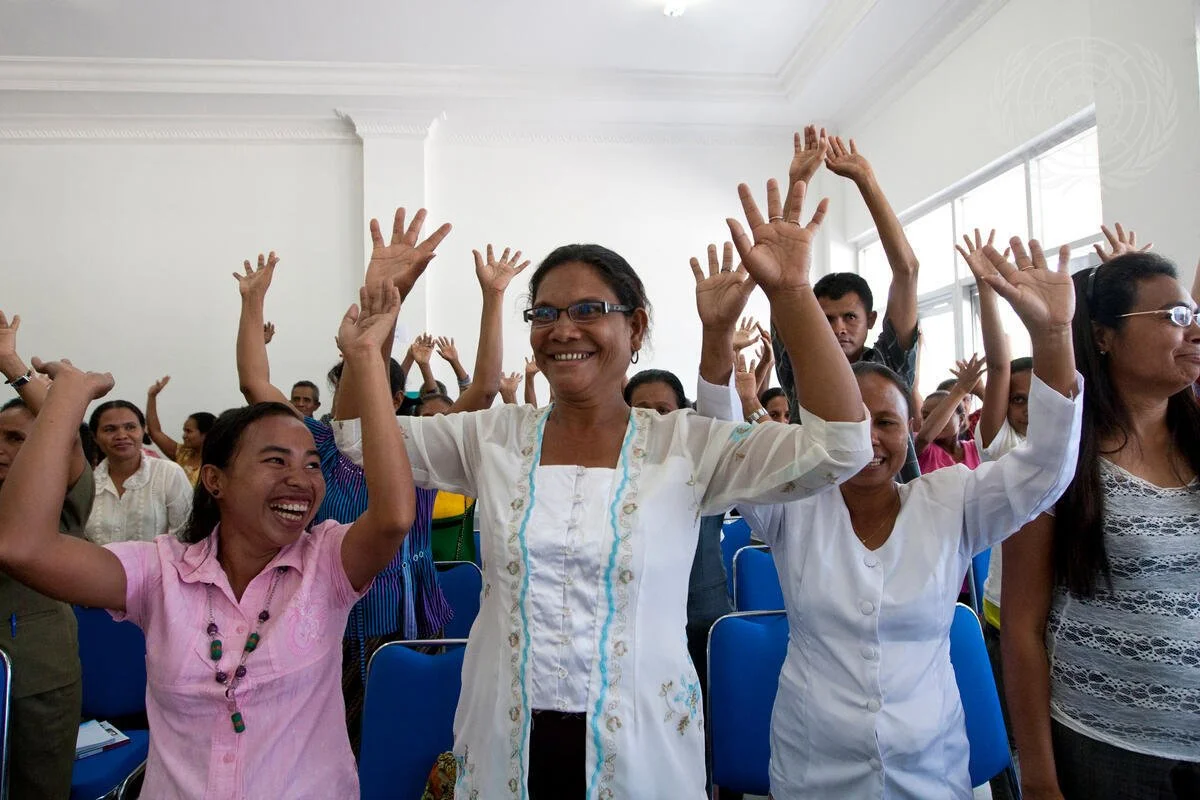
Breaking the Silos: Pragmatic National Approaches to Prevention
By Paige Arthur and Céline Monnier (August 2019)
In this policy briefing, our fifth in our series on prevention at the UN, we draw on examples from Côte d’Ivoire and Timor-Leste to illustrate how countries have developed integrated actions on prevention that cut across sectors, including security, development, and human rights. We then highlight options for the UN to better support these strategies through cross-pillar approaches and identify practical ways forward for governments implementing prevention approaches.
UN Photo/Martine Perret
-
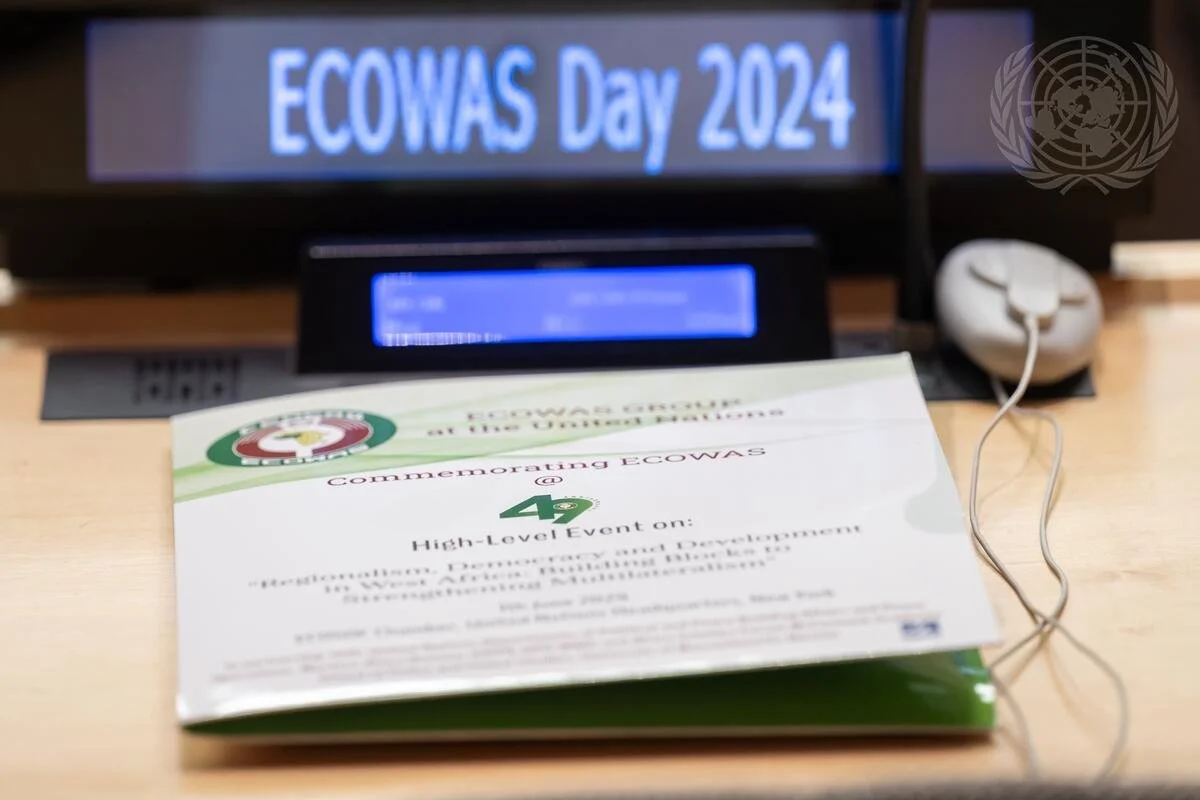
Creating the Political Space for Prevention: How ECOWAS Supports Nationally Led Strategies
By Paige Arthur and Céline Monnier (August 2019)
The fourth paper in our series on prevention at the United Nations examines the Economic Community of West African States’ (ECOWAS) prevention approach, which combines both upstream and short-term preventive diplomacy and mediation initiatives.
Looking at the ECOWAS model, this paper analyzes the regional frameworks in place, particularly the Mechanism on Conflict Prevention, Management, Resolution, Peacekeeping, and Security and Protocol on Democracy and Good Governance, established in 1999 and 2001 respectively, after nearly a decade of conflicts in the region. The paper highlights ECOWAS’ universal prevention approach, which seeks to increase society’s resilience to violence in the face of shocks or vulnerabilities.
Since 2013, ECOWAS has also focused on improving its early warning capability and developing effective mechanisms to respond to warnings. It has sought to build trust among its member states on the issue of prevention, employing transparent and thoughtful approaches to addressing social and political sensitivities, as well as worked to build national capacities.
The paper concludes by assessing how the ECOWAS approach to prevention can inspire broader discussion around multilateral efforts for prevention.
UN Photo/Mark Garten
-
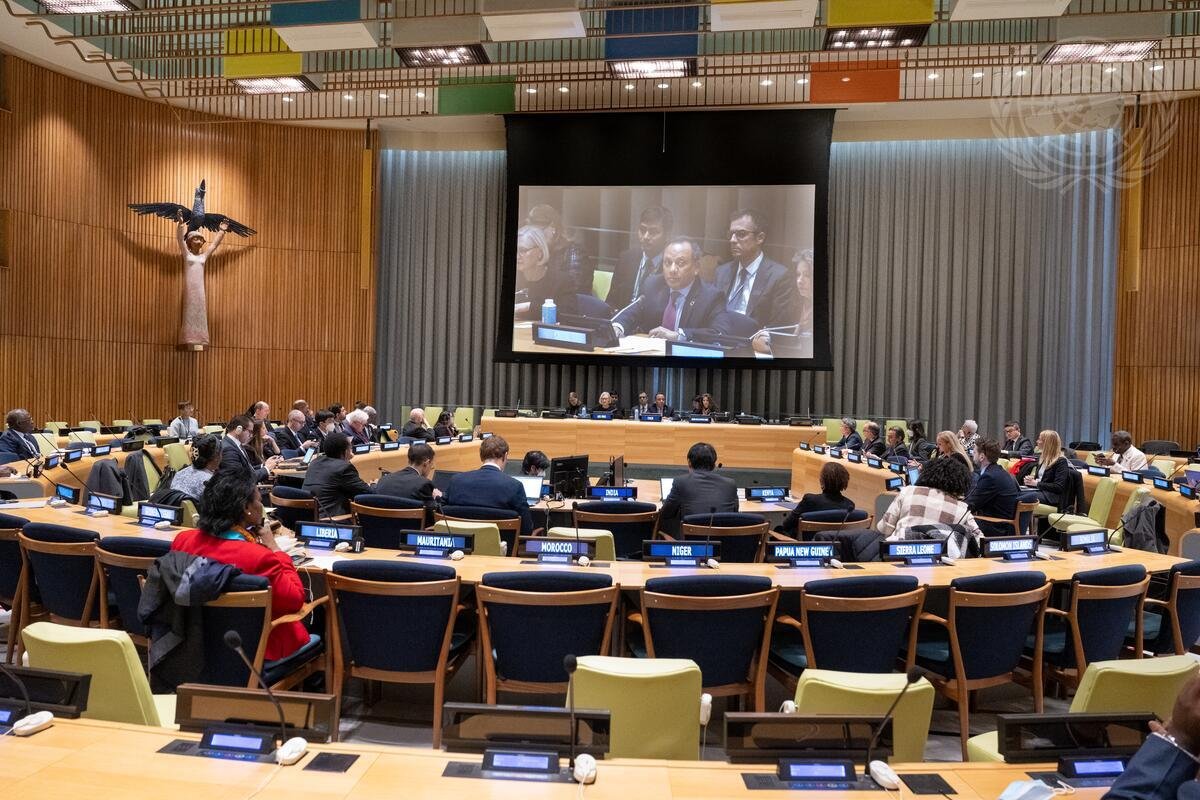
The Prevention Agenda: Mapping Out Member States’ Concerns
By Paige Arthur and Céline Monnier (July 2019)
Member states agree that more effort should be made to prevent violent conflicts farther upstream, rather than to address them mainly when they are imminent or in progress (or on the Security Council agenda).
However, as described in our previous briefing (Unpacking Prevention: Member State Perspectives) “prevention” at the UN has not had enough conceptual clarity, which has raised sensitivities over a wide range of issues. This, in turn, has hindered implementation of a more strategic approach to prevention—especially upstream prevention—at the practical level.
Indeed, the prevention agenda arrived at the UN just at the moment when the forces shaping multilateralism were shifting underneath it. The period of liberal internationalism ushered in by the end of the Cold War—with the United States in the lead—has receded in the wake of more statist and sovereigntist approaches to multilateralism.
While member states support prevention as a general idea, they have a wide range of concerns regarding its implementation—making it difficult for member states to rally around it.
UN Photo/Eskinder Debebe
-
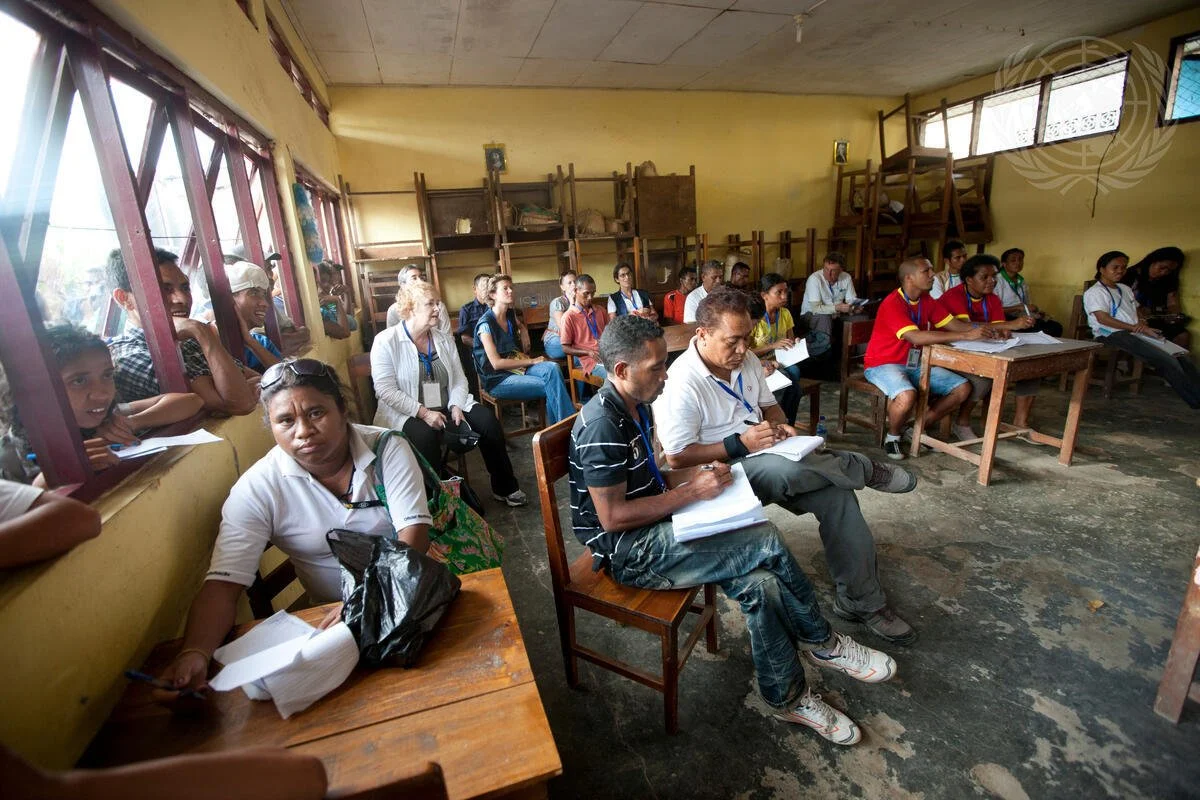
Nationally Led Prevention: Practical Examples of Approaches to Risk and Resilience
By Paige Arthur and Céline Monnier (July 2019)
In this briefing, our second in a series on prevention at the UN, we describe nationally led approaches to building resilience and reducing risk, based on field research in Timor-Leste and Tunisia, as well as examples from a number of other countries, including the Gambia and Norway.
The focus is on “targeted” prevention, in which countries identify their key risks and protective factors, and then build a strategy around them. We then identify concrete opportunities for international accompaniment and support to these processes.
UN Photo/Martine Perret
-

Unpacking Prevention: Member State Perspectives
By Paige Arthur and Céline Monnier (April 2019)
The United Nations (UN) has recognized the need for a more preventive approach in the face of protracted crises and conflicts that take years and even decades to resolve. Increasingly internal in character, such conflicts are challenging for the UN.
In response, many member states have called for a fundamental shift of the UN’s political capital and resources toward preventing violent conflicts before they arise. The General Assembly and the Security Council have adopted twin resolutions to encourage integrated, cross-pillar efforts to sustain peace, including through prevention. The current secretary-general, António Guterres, has made prevention a top priority. Evidence supports the contention that in addition to averting massive human suffering, prevention is also cost-effective.
This policy brief unpacks the different understandings of prevention operative among member states, based on discussions with a regionally diverse group of 19 countries. It explores how member states understand the prevention agenda at the UN and highlights some areas of overlapping consensus that would support operationalization of the prevention agenda. A key finding is that member states are more accepting of prevention if it is seen to apply to all countries, not just conflict-affected ones.
Photo: "Puzzle" by Alexandra, Alexas_Fotos is marked with CC0 1.0.