
The COVID-19 Crisis and Violence Prevention
-
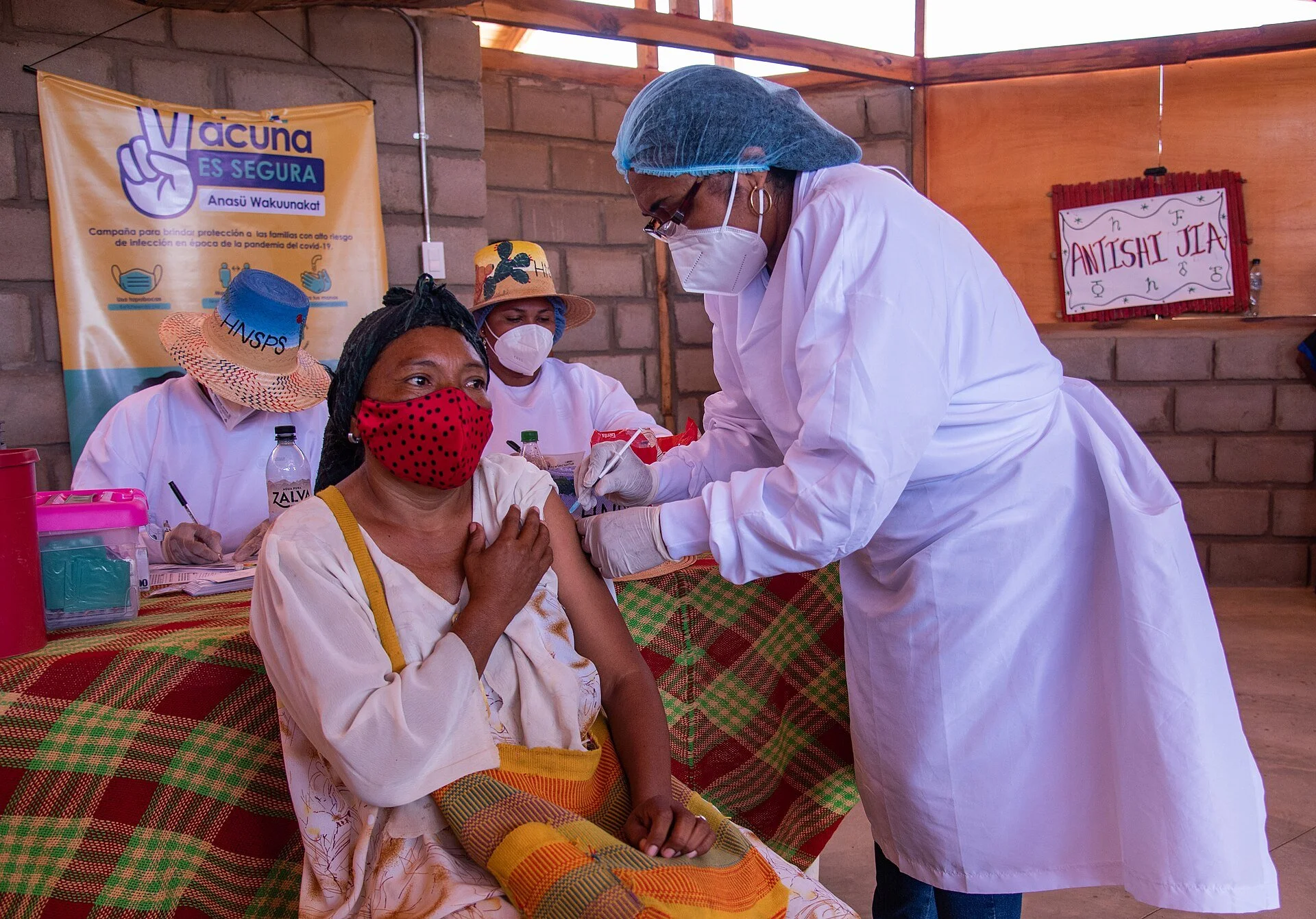
How to be conflict sensitive in the midst of a pandemic? A case study on Colombia
By Céline Monnier (July 2022)
Efforts to contain the spread of COVID-19 have led to a series of knock-on effects. Some measures have contributed to increased social conflict and violence. Understanding how to sustain peace, while implementing measures that had drastic psycho-socioeconomic impacts has been challenging for countries around the world. This policy brief looks at Colombia, a country with some success in the management of the pandemic, and highlights lessons learned on how the United Nations can support governments to be conflict sensitive when a country is hit by an external shock such as the COVID-19 crisis.
This policy brief analyzes how some measures to contain the spread of the pandemic, such as lockdowns may have contributed to the fluctuations in levels of violence, and provides four recommendations to prevent violence during major crises:
The UN should call on member states to adopt conflict-sensitive policies to respond to major crises such as COVID-19
The UN should support member states to develop conflict sensitive measures during a major crisis
The UN could undertake a “lessons learned” exercise, including, e.g., PBSO, the UNDP-DPPA Joint Program, UNODC, WHO
The UN could call on member states to develop a strategy to address residual risk factors for conflict deepened by the COVID-19 crisis
Photo: USAID/Colombia
-
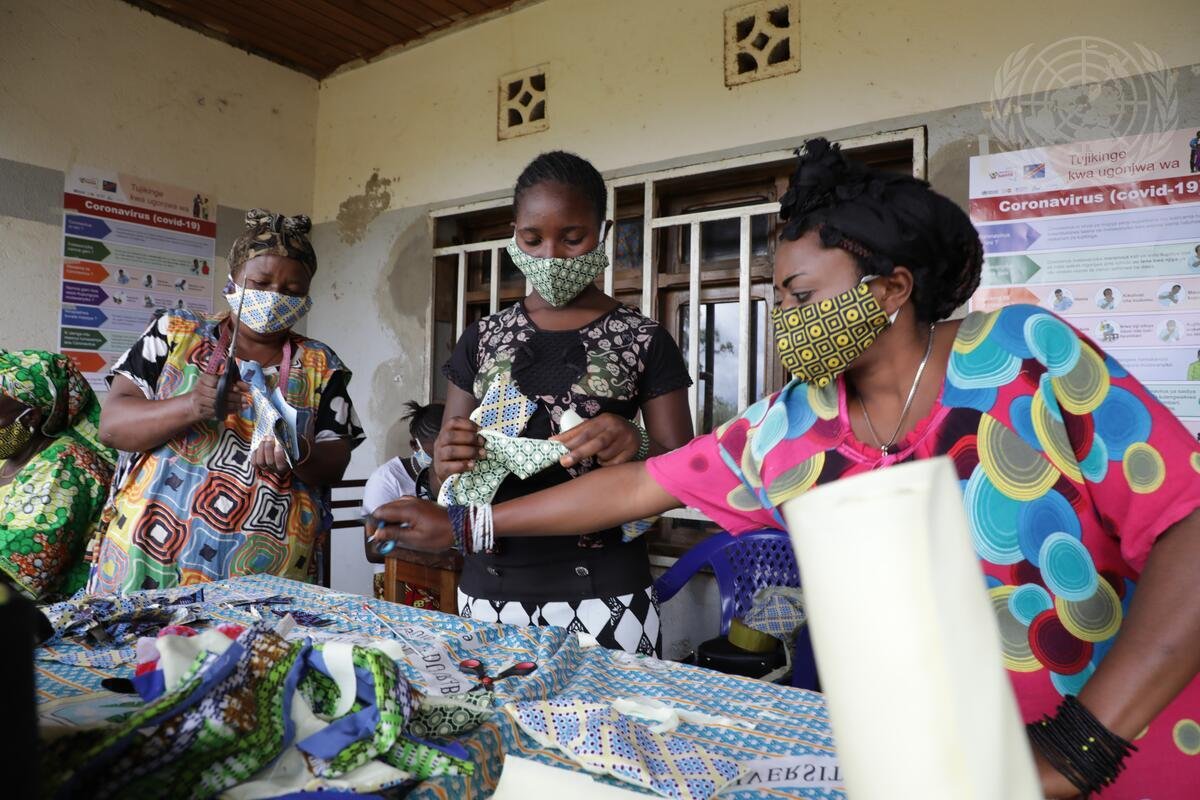
Lessons from the COVID-19 Crisis: 6 Opportunities to Strengthen Conflict Sensitivity across the Humanitarian-Development-Peacebuilding Nexus
By Céline Monnier (January 2022)
The COVID-19 pandemic, and efforts to control its spread—including lockdowns, social distancing measures, and border closures—have led to unprecedented health, humanitarian, and socioeconomic shocks worldwide. These shocks, in turn, are raising the likelihood that risks for many forms of violent conflict—crime, armed conflict, violent extremism—may increase. It is crucial for the United Nations (UN) to adopt a conflict-sensitive lens in all relevant operations across the humanitarian, development, and peacebuilding (HDP) nexus to prevent an increasingly volatile situation from deteriorating further.
Throughout 2021, New York University’s Center on International Cooperation has engaged UN actors from across the HDP nexus to reflect upon this challenge. Through interviews and workshops, as well as a review of conflict-sensitivity documents produced by the UN, we have explored the many challenges facing UN staff as they seek to operationalize conflict-sensitive approaches amid the pandemic. Some of these challenges are specific to the pandemic, while many others predate it. We have also facilitated discussions among a diverse group of UN staff to identify opportunities for addressing preexisting and emerging violence dynamics within and across the UN’s humanitarian, development, and peacebuilding operations. The objective of this policy brief is to amplify UN staff “asks” in these regards and, based on these, to provide recommendations for strengthening implementation of conflict sensitivity at the UN.
UN Photo/Michael Ali
-
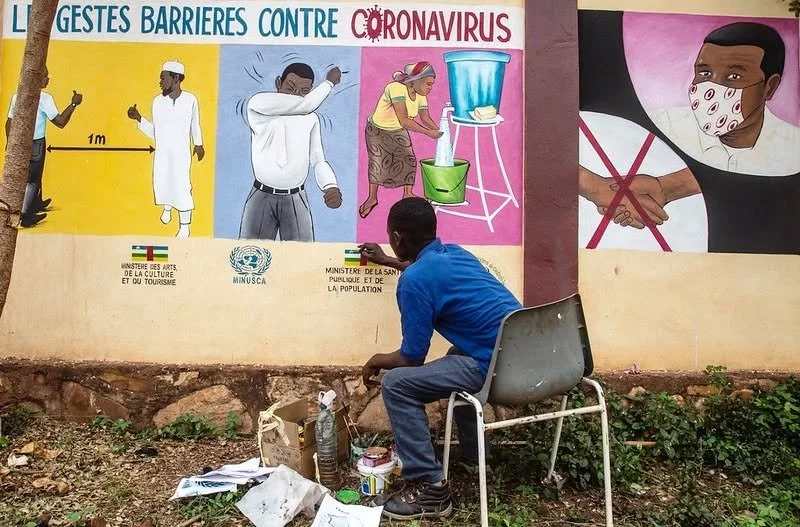
Adopting a Sustaining Peace Lens to the COVID-19 Response
By Céline Monnier (July 2020)
COVID-19 is creating a series of crises that increase the risk of conflict worldwide. Beyond the health impact, issues like worsening inequality, food insecurity, human rights abuses, and political tensions can deepen pre-existing social fractures in any country, creating additional layers of grievance. Addressing these risks early on and building resilience to them is key to preventing the potential for violence. But the pandemic also brings new opportunities for peacebuilding.
A system-wide implementation of the sustaining peace approach is critical to ensure that United Nations response contributes to decreasing risks for violent conflict in the longer term—including efforts to “build back better.” This report draws on interviews with 25+ individuals across the UN system and member states to highlight some of the key challenges for peacebuilding in the immediate COVID-19 period as well as in the longer term. The report documents how entities across the UN have made positive steps toward implementing a sustaining peace approach, and provides recommendations for deepening these gains across the system.
Photo: UN/MINUSCA / Herve Serefio
-
Remarks to the United Nations Security Council: “Pandemics and the Challenges of Sustaining Peace”
By Sarah Cliffe (August 2020)
The challenge of sustaining peace has been magnified by the COVID-19 pandemic and its social and economic effects. The crisis has caused multi-dimensional disruption, putting gains on the ground in peace, security, development and human rights at risk. However, the pandemic has also created opportunities for more integrated approaches to peacebuilding and sustaining peace.
On July 1, 2020, the United Nations Security Council unanimously adopted Resolution 2532, recognizing that the pandemic could reverse peacebuilding gains made by countries in transition and post-conflict countries. At a high-level open debate chaired by Indonesian Minister for Foreign Affairs Retno L.P. Marsudi on August 12, 2020, Secretary-General António Guterres, former Secretary-General Ban Ki-Moon, and Sarah Cliffe, former director of the Center on International Cooperation, briefed the Security Council on the implications of the COVID-19 pandemic for conflict prevention. In the subsequent open debate, member states exchanged views on COVID-19’s impacts on sustaining peace and discussed avenues for multilateral cooperation in response.
A summary of key points from Sarah Cliffe’s briefing is available here.
UN Photo/Loey Felipe