
Prevention Knowledge Community
Share experience, solve policy challenges, and shape violence prevention
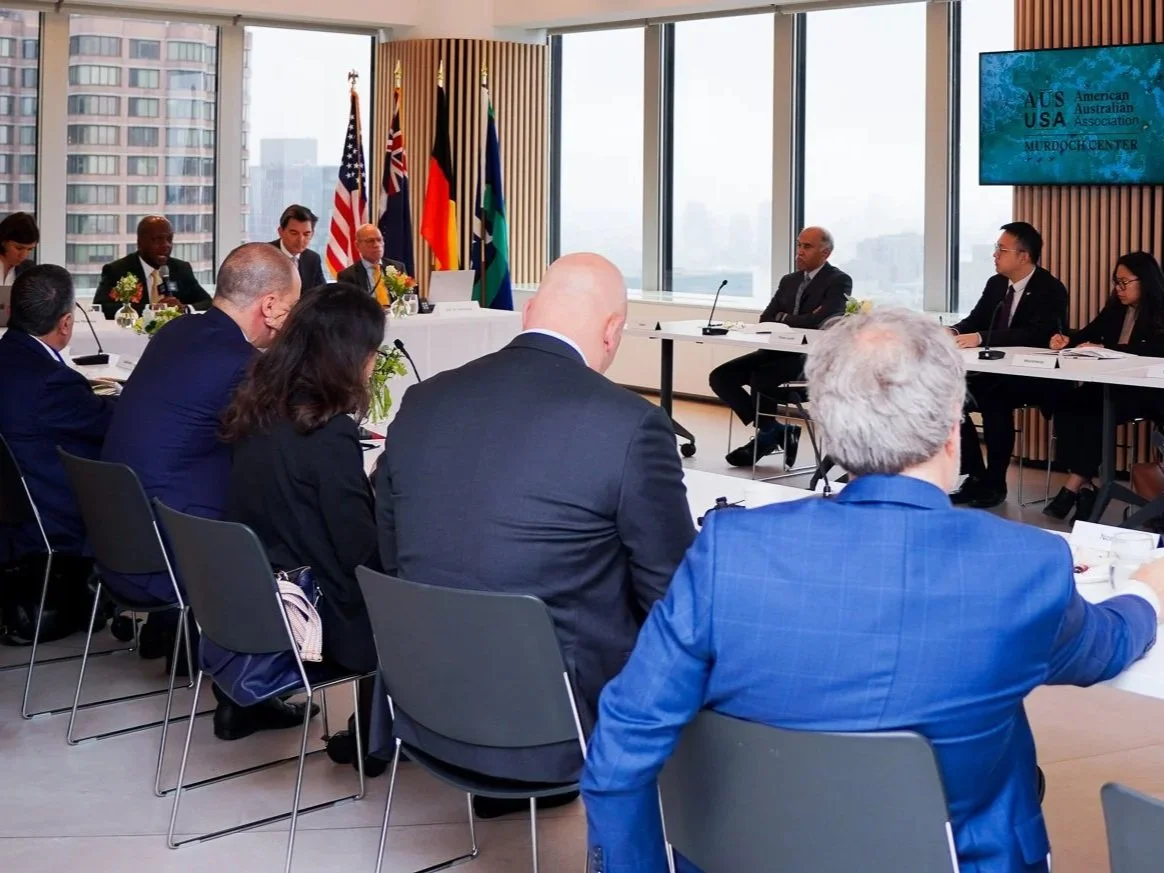
The pillar will build a global network of prevention practitioners and experts, in particular:
A global community of practice: Practitioners engaged in developing and implementing national violence prevention strategies, fostering peer exchange, learning, and collaboration.
An expert network: Bringing together multidisciplinary expertise and enabling rapid access to relevant knowledge and experience to inform violence prevention policy and practice.
In addition, the pillar will develop targeted training opportunities for:
University students and emerging leaders: Equip the next generation of policy makers, researchers, and practitioners with knowledge on effective violence prevention approaches.
Members of the Advisory Group on National Prevention Strategies
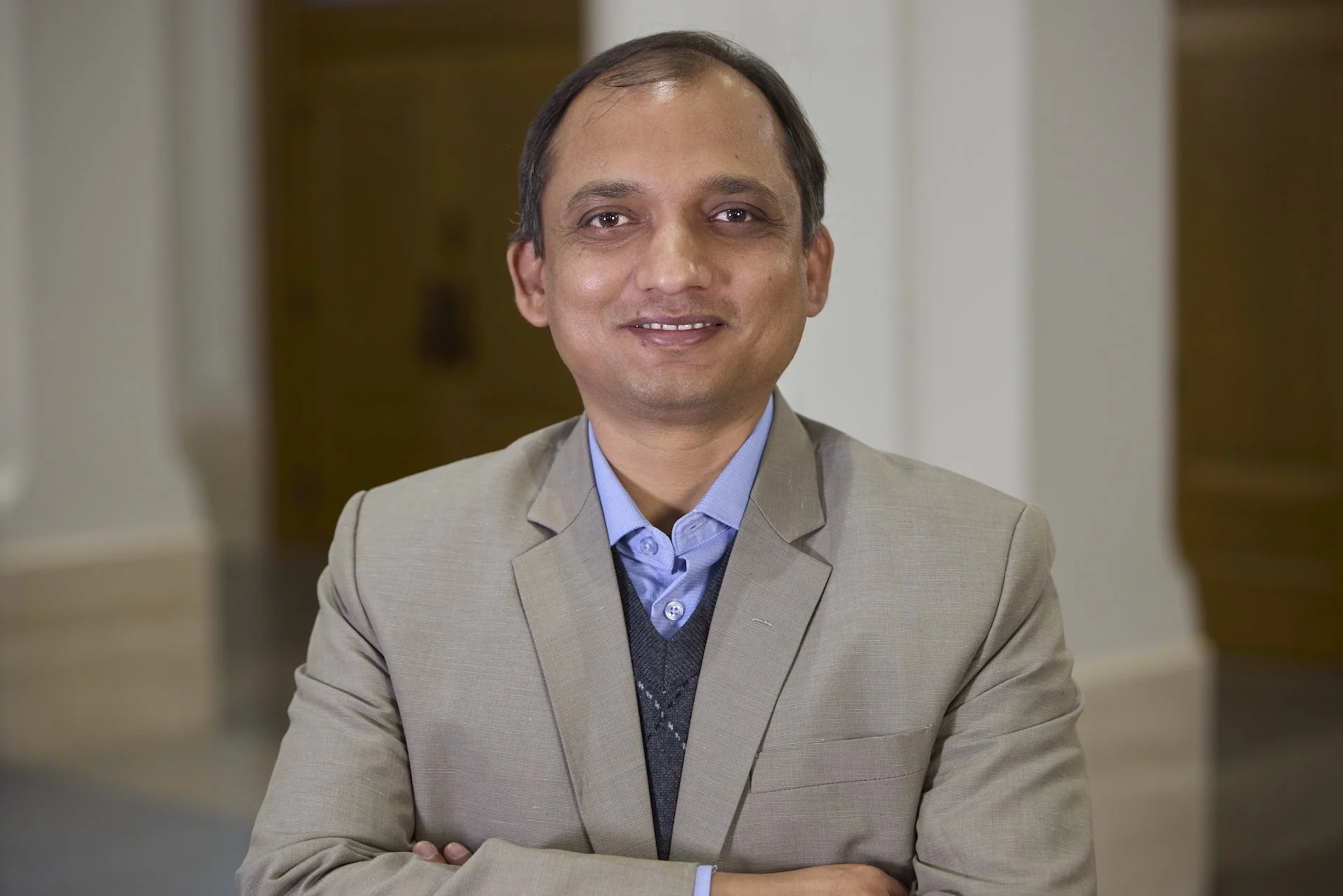
Dr. Prakash Bhattarai
Dr. Prakash Bhattarai is a leading peace and governance expert from Nepal with over two decades of experience spanning research, policy, and civil society leadership. He is the Executive Director of Centre for Social Change (CSC), a Kathmandu-based research and advocacy institute working on peace, governance, and sustainability. Bhattarai holds a PhD in Peace and Conflict Studies from the University of Otago, New Zealand (2014). He also holds master’s degrees in Population Studies from Tribhuvan University, Nepal (2005) and in International Peace Studies from the University of Notre Dame, USA (2010). A scholar with deep international academic engagement, Dr. Bhattarai has held fellowship and visiting research positions at the Kroc Institute for International Peace Studies, University of Notre Dame, USA (2026), Uppsala University, Sweden (2013), Hiroshima University, Japan (2024), Peace Research Institute Frankfurt, Germany (2017), and the Asia Global Institute at the University of Hong Kong (2018).
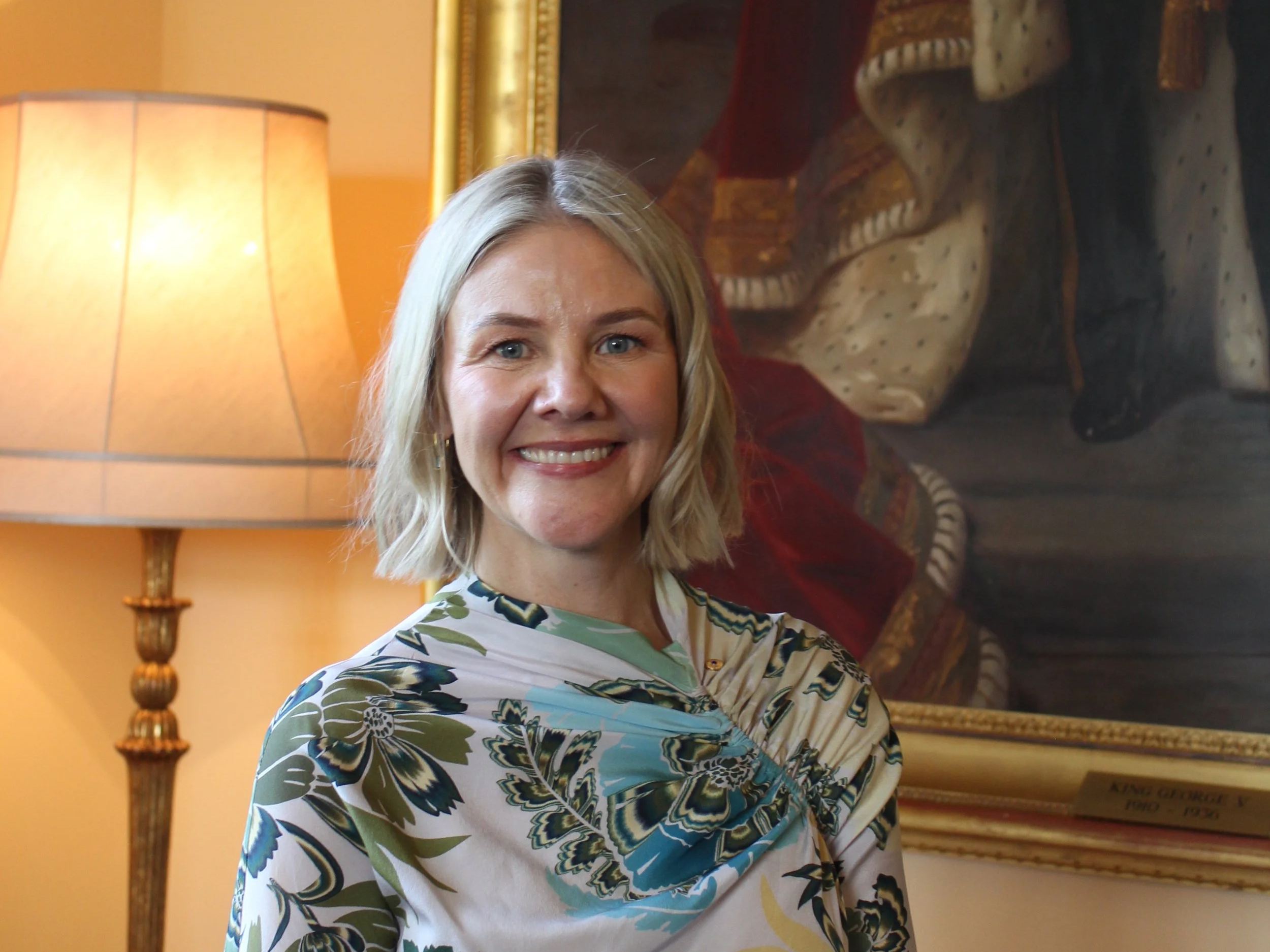
Bernadette Black
Bernadette Black AM is CEO and Founder of SEED Futures, a primary prevention specialist and convenor of cross-sector reform. She is a systems-change leader and lead author of Australia’s National Primary Preventative Framework and Prevention Nation: The Strategy, both launched with the Governor-General of Australia in 2026. Drawing on lived experience and frontline insight, Bernadette works across government, philanthropy and community sectors to drive practical, evidence-informed reform that shifts Australia from crisis response to prevention. She is a Winston Churchill Fellow, a Member of the Order of Australia, Australian Tasmanian of the Year and former Telstra Tasmanian Businesswoman of the Year.
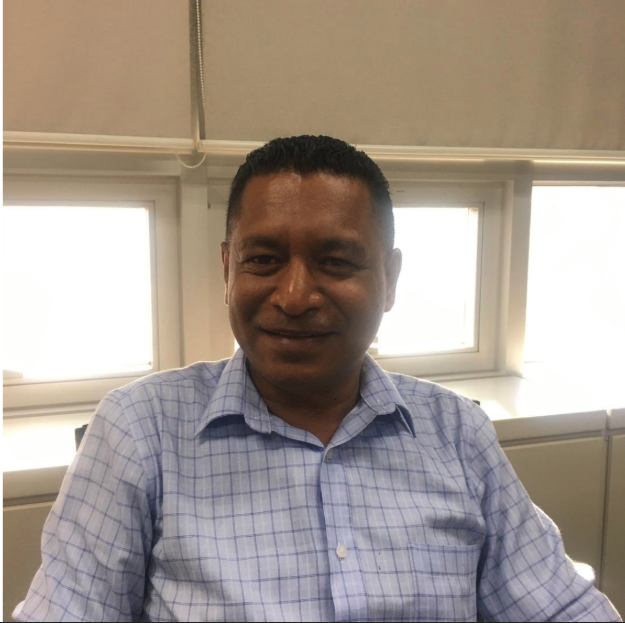
Luis da Costa Ximenes
As Director of NGO Belun, Luis da Costa Ximenes provides management support and oversight to a number of nationwide civil society strengthening and peace building, conflict prevention and promotion of peace, develop inclusive community capacity, research, advocacy and policy programs. Prior to his work with Belun, Mr. Ximenes worked to support civil society and conflict prevention with Columbia University’s Center for International Conflict Resolution (2002-2004) Currently, Mr. Ximenes as a candidate for master degree of peace and conflict studies program at the National University Timor-Leste. Mr. Ximenes was participated on International Visitor Leadership Program (IVLP) on conflict resolution in 2010.
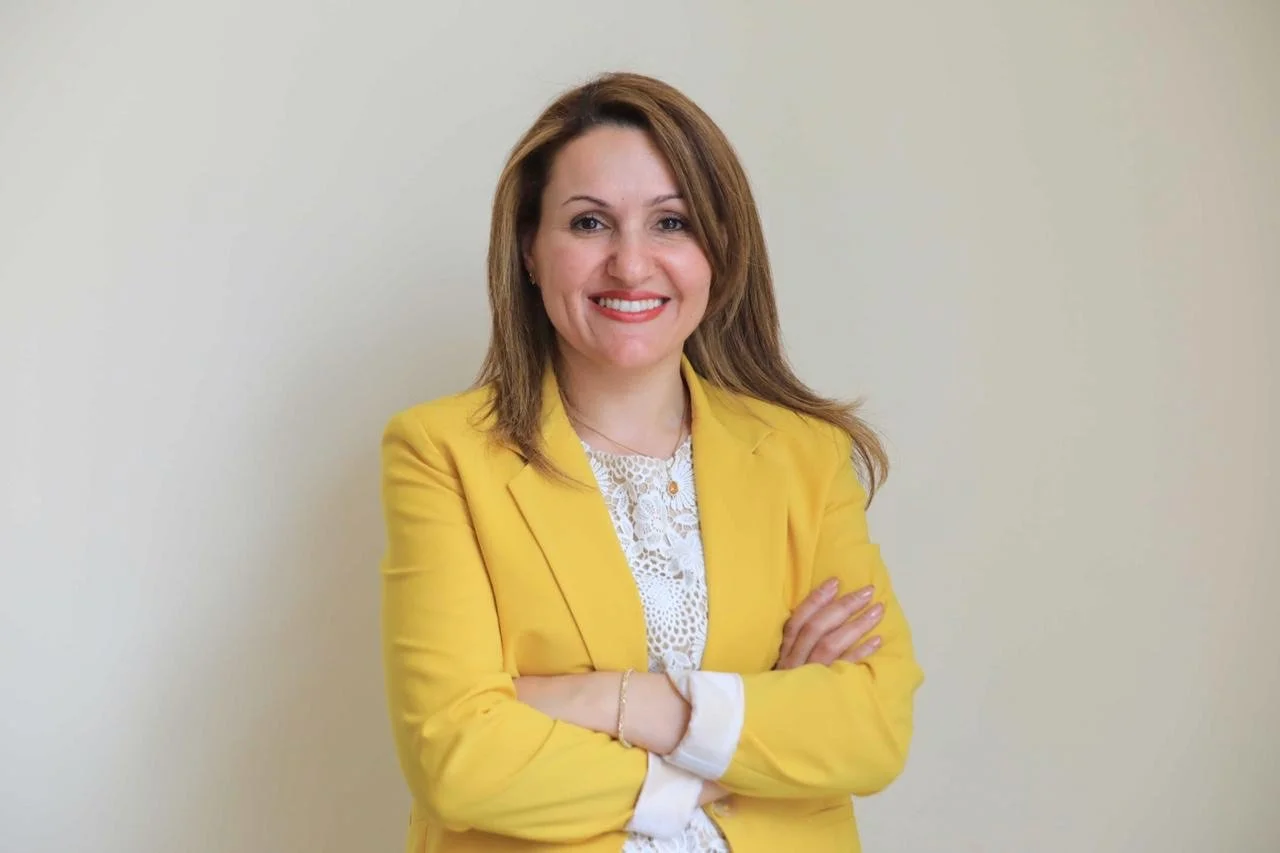
Mai Eleimat
Mai Eleimat is a development expert, researcher, and policy advisor with over 20 years of experience supporting governments and international development agencies across the MENA region. She has advised the World Bank Group, OECD, GIZ, UN agencies, and USAID on governance reform, gender equality and social inclusion, community cohesion, stakeholder engagement, and social risk management, and has led the development of national strategies, policy reforms, and large-scale assessments.
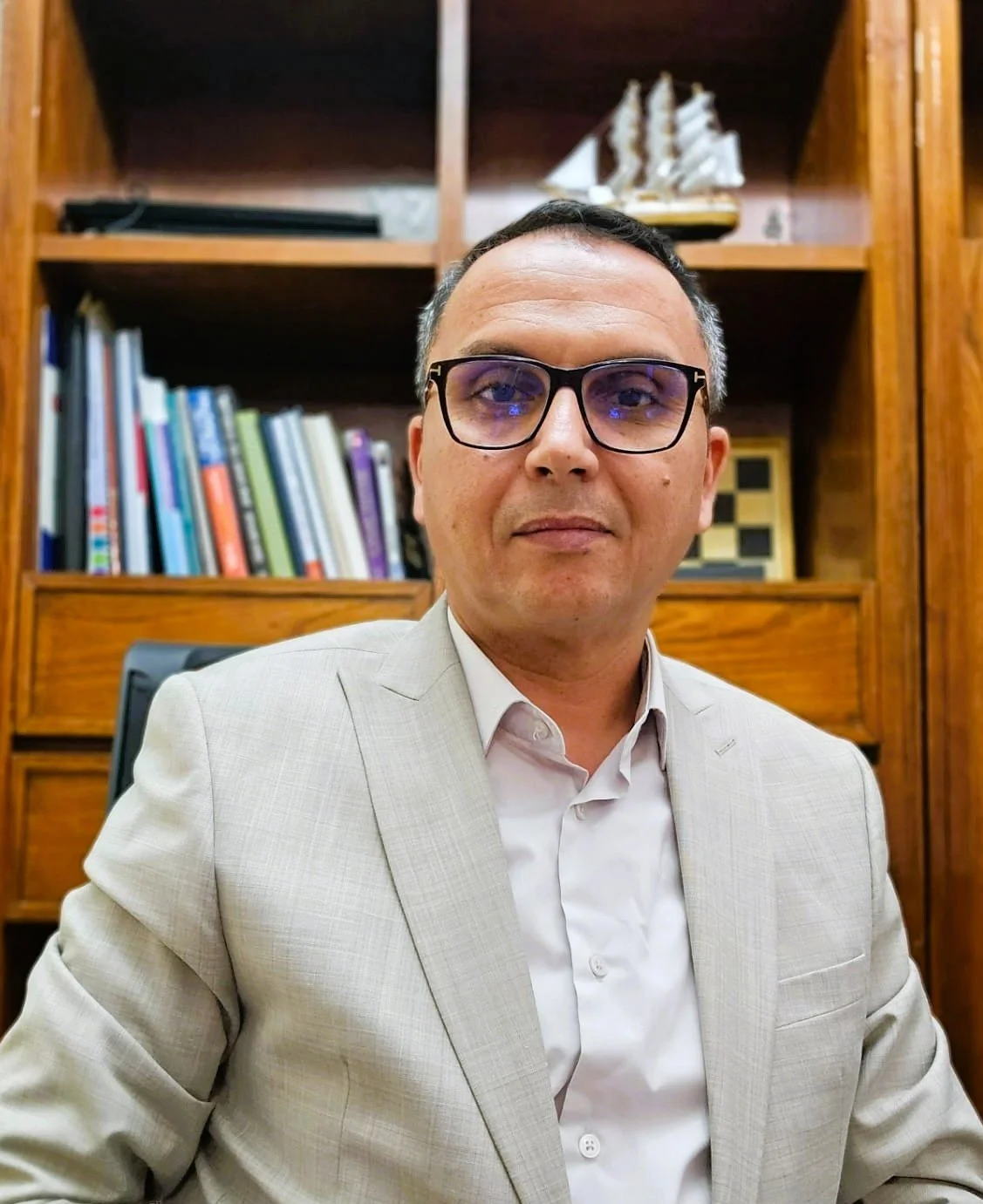
Dr. Tarek Ghazel
Dr. Tarek Ghazel is a Senior Expert in Preventing and Countering Violent Extremism (P/CVE), Rehabilitation & Reintegration, and Security Sector Capacity Building, with over 15 years of experience in Tunisia and the MENA region. He holds a position as Associate Professor at the Higher Institute of Human Sciences, University of Gabès, Tunisia, where he conducts research on extremist discourse, propaganda analysis, and linguistic deradicalization. He has collaborated with national authorities (Tunisian National Counter Terrorism Commission, Ministry of Education), national and international organizations including USAID, CIVIPOL, HEDAYAH, UNDP, and FHI 360.

Chris Ngwodo
Chris Ngwodo is the Director General of the Office for Strategic Preparedness and Resilience (OSPRE), Nigeria’s national centre for the coordination of early warning and response mechanisms. He is a policy strategist, security analyst, and public affairs expert with extensive experience in peacebuilding, conflict prevention, governance, and national resilience. Under his leadership, OSPRE has advanced innovative approaches to early warning, anticipatory governance, human security, and resilience-building, working closely with international actors such as ECOWAS and the United Nations, government institutions, development partners, civil society organisations, and local communities across Nigeria. He has been a prominent voice on issues of conflict prevention, social cohesion, community resilience, and the evolving security landscape in Nigeria and West Africa. Through his work, he has championed evidence- based policymaking, multi-stakeholder collaboration, and locally driven solutions to complex security and development challenges.
Renzo Lautaro Rosal
Renzo Lautaro Rosal. Political scientist specializing in political sociology. Holds a Master’s degree in International Relations. Professor at Rafael Landívar University. Coordinator of the team that drafted Guatemala’s National Policy for the Prevention of Violence and Crime, Citizen Security, and Peaceful Coexistence (2014–2034). Responsible for designing the Public Policy for the Prevention of Collective Violence (Guatemala). Political analyst and independent consultant. Columnist for *El Periódico Investiga*. Formerly served as Dean of the Faculty of Political Science, Secretary General, and Director of Public Advocacy at Rafael Landívar University. Member of the Board of Directors of the Association for Research and Social Studies (ASIES).

Hawa Sally Samai
Hawa Sally Samai is a distinguished peacebuilding practitioner, human rights advocate, and development leader currently serving as the Executive Secretary of the Independent Commission for Peace and National Cohesion (ICPNC) of Sierra Leone. In this capacity, she provides strategic leadership for national initiatives aimed at promoting dialogue, reconciliation, social cohesion, and sustainable peace across the country. Ms. Samai is the Founder and Board Member of the Advocacy Movement Network (AMNet), through which she has advanced grassroots engagement, civic participation, and social transformation. Her work consistently bridges national policy priorities with community-driven approaches to peace and development. Over the course of her career, she has contributed significantly to regional and international institutions, including the Economic Community of West African States, African Union, and the Commonwealth of Nations, bringing extensive expertise in governance, conflict prevention, human rights, and institutional development.